
Radiative Cooling
Radiative Cooling Materials
Passive radiative cooling materials help reduce surface heat gain by reflecting solar radiation and releasing heat through infrared emission. Choose coating or film products according to the substrate, installation method, and thermal management target.
Passive radiative cooling materials help reduce surface heat gain by reflecting solar radiation and releasing heat through infrared emission. Choose coating or film products according to the substrate, installation method, and thermal management target.
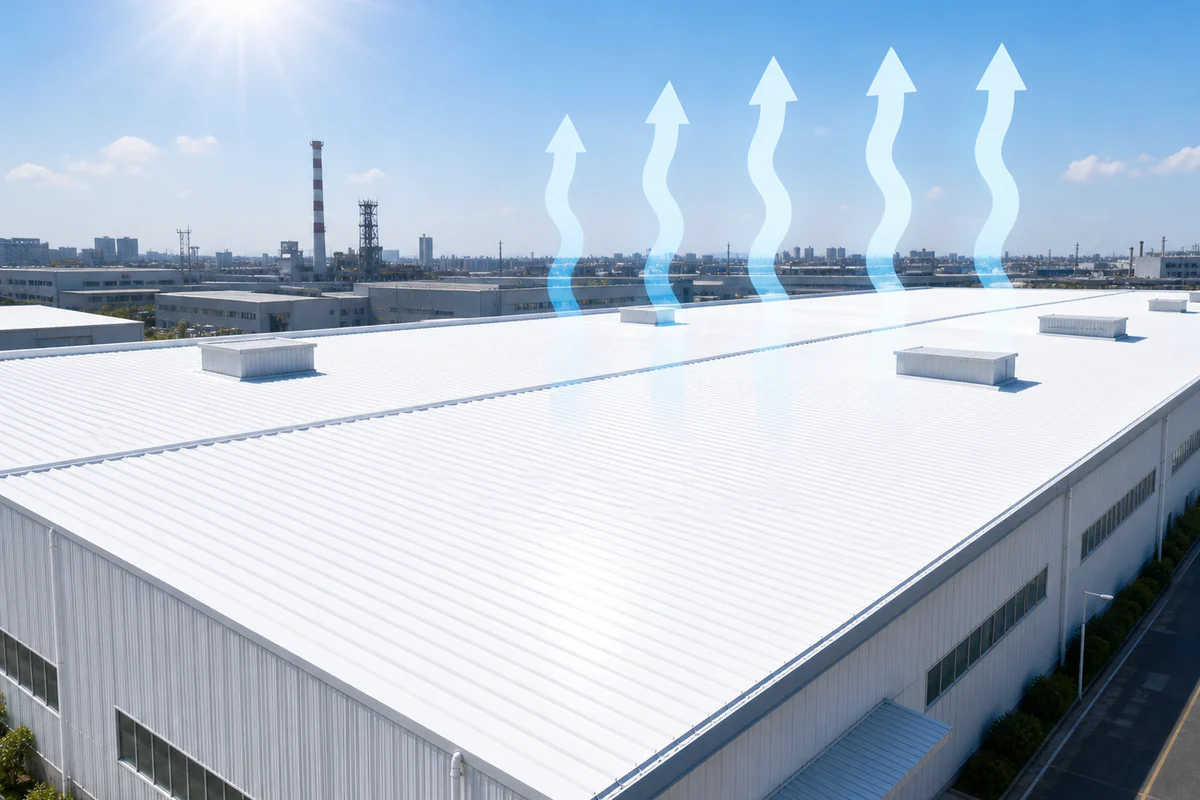 Passive Radiative Cooling CoatingFor roofs, exterior surfaces, industrial facilities, and outdoor structures that need solar heat reduction.
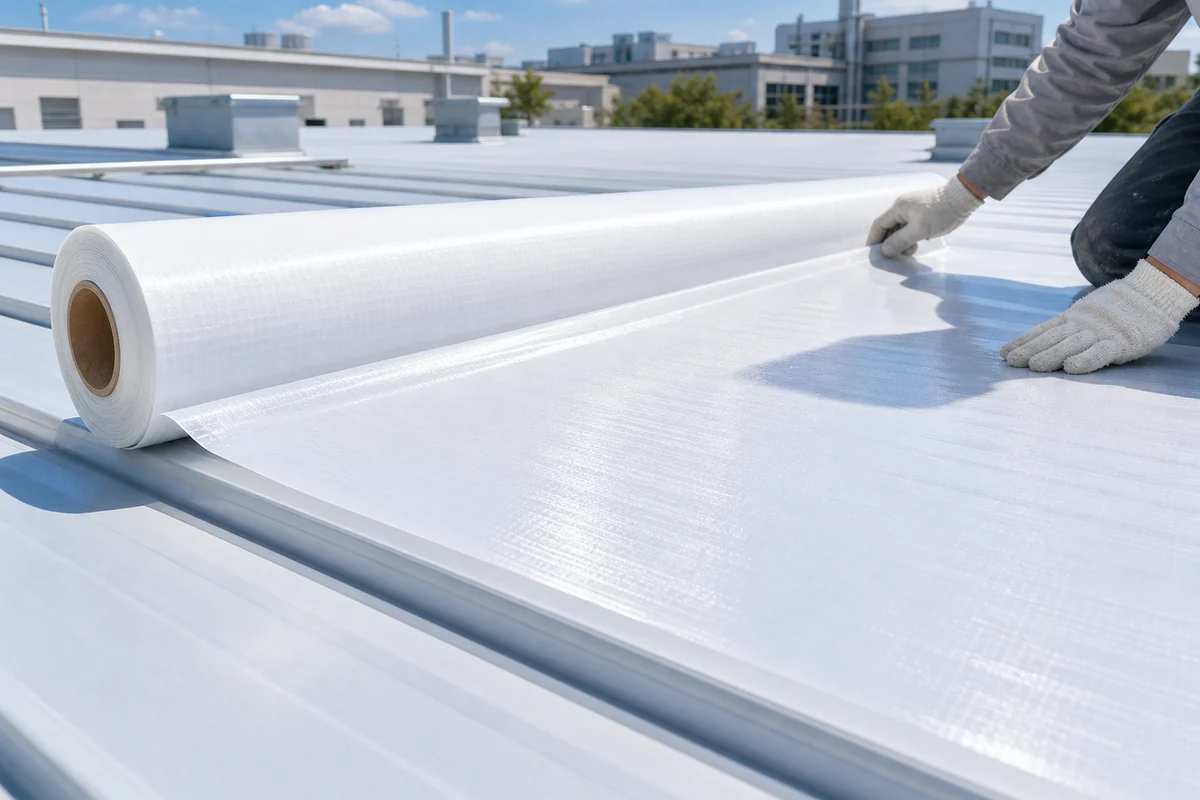 Passive Radiative Cooling FilmFor laminated surfaces, flexible installation, and thermal management applications where film format is preferred.
How Passive Radiative Cooling Works
Unlike conventional insulation, which slows the rate at which heat moves through a material, passive radiative cooling manages heat in two directions at once. The surface reflects most incoming solar radiation back towards the sky, and simultaneously emits stored heat as infrared radiation through the 8–13 µm atmospheric window — a band in which the atmosphere is largely transparent, so that energy radiates away instead of being held close to the surface. Because the effect depends on the material’s optical properties rather than on a power source, cooling continues without electricity, refrigerant or moving parts.
Coating or Film: Which Format Fits the Project
Both formats use the same passive cooling principle and differ mainly in how they are applied and where they perform best.
- Radiative cooling coating — a waterborne coating applied by spray or roller. Suited to large, irregular or already-built surfaces such as concrete walls, metal roofs and equipment housings, where a fluid-applied film follows the existing geometry and can be renewed on site.
- Radiative cooling film — a factory-made self-adhesive roll applied directly to prepared metal, roofing and equipment surfaces. Suited to flat or gently curved panels where consistent thickness, immediate use with no curing time and predictable optical performance matter most.
Performance You Can Verify
Both products are supported by third-party test reports, so the cooling figures can be checked rather than taken on trust.
- Coating — solar reflectance 0.93 and hemispherical emittance 0.92; VOC content 16 g/L; no blistering, peeling or cracking after 1000 h artificial weathering.
- Film — solar reflectance 0.92, emissivity of 0.90 in the 8–13 µm window and a radiative cooling power of 95 W/m²; tested for 1500 h xenon-lamp aging, 1500 h neutral salt spray and 1500 h damp-heat exposure.
Where Radiative Cooling Surfaces Are Used
Typical installations include industrial and commercial roofs, warehouses and grain-storage buildings, metal roofs and sandwich panels, telecom cabinets and electrical enclosures, petrochemical storage tanks, silos, containers and other sun-exposed surfaces. In suitable systems the coating or film can combine thermal management with weather-resistant surface protection.
Not sure which format suits your substrate or project conditions? Send us the surface type and location and we will recommend the appropriate system.
Contact our technical team for formulation support and sample evaluation.
We welcome global partners, distributors, and project owners to get in touch with us.
Contact Us